
Umrah Tips
Practical Tips for Umrah: What Every Pilgrim Should Know
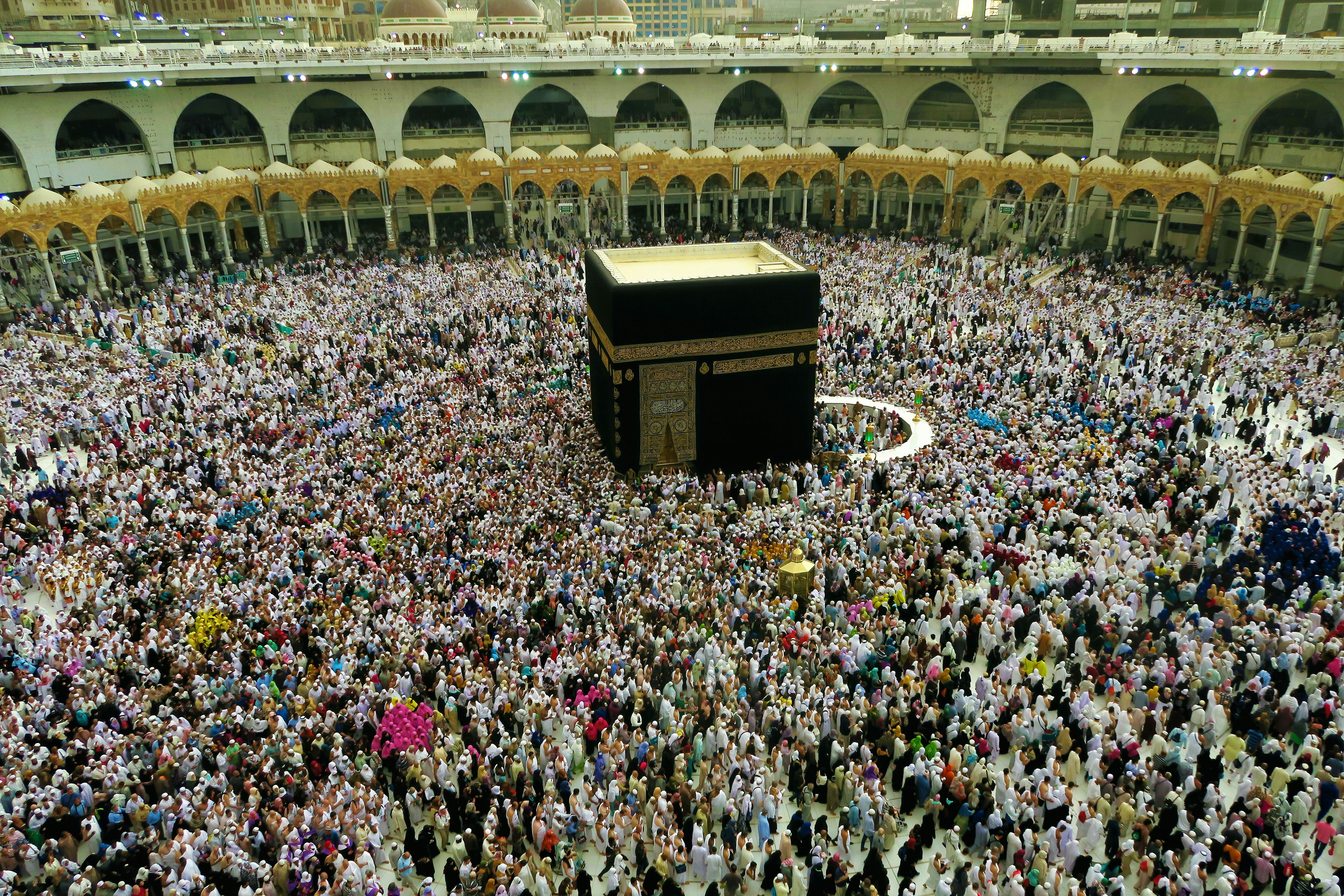
Preparing for Umrah can feel overwhelming, especially if it is your first time.
But with the right preparation and a few smart habits, your journey can be much smoother and more comfortable.
This guide focuses purely on practical tips to help you stay organized and avoid common problems.
Before you travel
Double-check your passport, visa, and all required documents. Confirm expiry dates and make sure names match exactly. Keep digital and printed copies of every key document in separate places: on your phone, in your luggage, and with a trusted contact.
Pack light but smart. You will walk long distances every day, and extra weight compounds quickly. Inform your bank about travel so cards are not flagged or blocked abroad.
Learn the Umrah steps in advance so you understand what you are doing before you arrive.
Packing essentials
Prioritize comfort, hygiene, and daily-use items. Anything available locally can be bought there, so do not overpack.
- •Comfortable shoes or sandals that you have already broken in
- •Ihram and appropriate modest everyday clothing
- •Unscented toiletries (important while in the state of Ihram)
- •Personal medications with prescriptions and sufficient supply
- •Small backpack for day visits
- •Power bank and the correct charging cables
- •Reusable water bottle (staying hydrated is non-negotiable)
- •Turba (prayer tablet) if used for prostration in holy sites
At the airport and on arrival
The first 24 hours set the tone. Keep documents accessible, follow your group, and resist the urge to rush.
- •Arrive early (rushing causes simple mistakes)
- •Keep documents within easy reach at immigration and security
- •Stay hydrated during and after long flights
- •Follow your group leader's timing and instructions (meeting points matter)
Managing crowds
The Haram and its surroundings are busy almost around the clock. Patience and predictable movement keep you safer and less fatigued.
- •Stay calm (crowds move in waves, resist pushing)
- •Avoid peak hours when you have flexibility in your schedule
- •Stay close to your group to prevent separation
- •Move with the flow (do not force your way against dense crowd movement)
Staying healthy
Small daily habits prevent the dehydration, blisters, and fatigue that turn a meaningful trip into a difficult one.
- •Drink water consistently throughout the day, not just when thirsty
- •Avoid heavy meals before long walks or rituals
- •Get adequate rest between activities
- •Wear footwear you trust (do not test new shoes in Makkah)
- •Use hand sanitizer frequently, especially after touching shared surfaces
During Tawaf and Sai
These rites require focus and steady pacing. Secure your belongings and do not be afraid to take a moment.
- •Keep a steady, comfortable pace (rushing adds nothing)
- •Take breaks on the sidelines if you feel dizzy or exhausted
- •Stay aware of the people directly around you
- •Secure your belongings (a front-worn waist bag is ideal)
Communication tips
Staying reachable reassures your family and helps your group find you if separated.
- •Learn a few basic Arabic phrases (directions, greetings, polite requests)
- •Save your hotel's address offline on your phone map
- •Use a local SIM or roaming plan that you have tested
- •Share your general itinerary with family or a trusted contact at home
Money and safety
Carry just enough cash for daily needs. Keep cards and documents protected at all times.
- •Carry moderate cash for smaller purchases and markets
- •Use a secure, concealed bag (front-worn or under-clothing pouches work well)
- •Leave unnecessary valuables in the hotel safe
- •Remain alert in crowded markets and near entry points
Common mistakes to avoid
Most difficulties come from inadequate preparation or underestimating the physical demands of the trip.
- •Overpacking (less is genuinely more on this journey)
- •Not preparing physically for extensive walking and long standing periods
- •Losing track of documents (secure and double-check them daily)
- •Ignoring hydration until feeling unwell
- •Relying entirely on others (know your own basics)
Conclusion
With the right preparation, Umrah becomes much more manageable. Stay organized, be patient, and keep your focus on the worship itself. The logistics should be invisible by the time you arrive.