
Spiritual
Madinah: A Journey Through Sacred Sites in the Light of Ahlulbayt
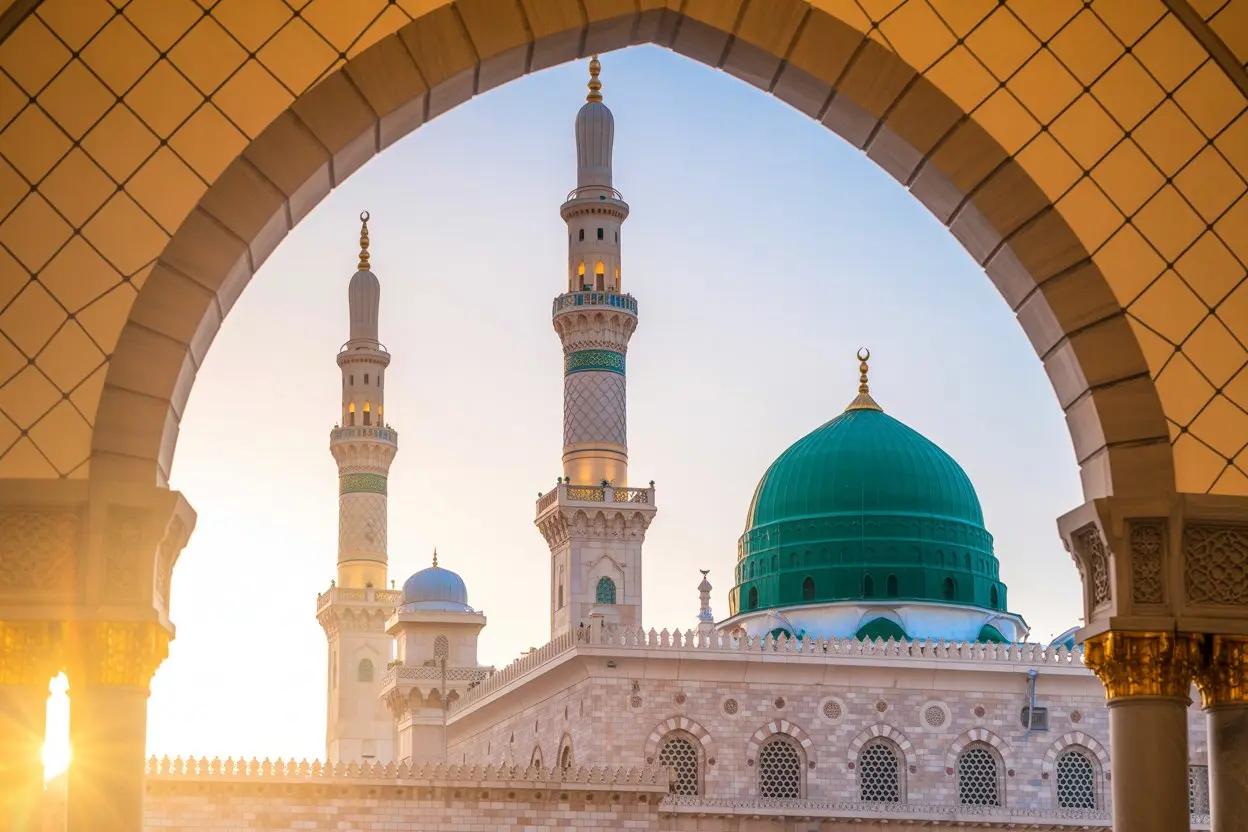
There are places one visits, and there are places that receive you.
Madinah is the latter.
It is a city where time softens, where the heart quiets, and where the presence of the Messenger of Allah and his purified household is not remembered but felt.
As expressed in the teachings of Imam Jafar al-Sadiq: Send peace upon him, for he hears you.
To enter Madinah is to step into a living legacy, one that calls for stillness, reverence, and awareness.
Al-Masjid an-Nabawi: Where the soul learns presence
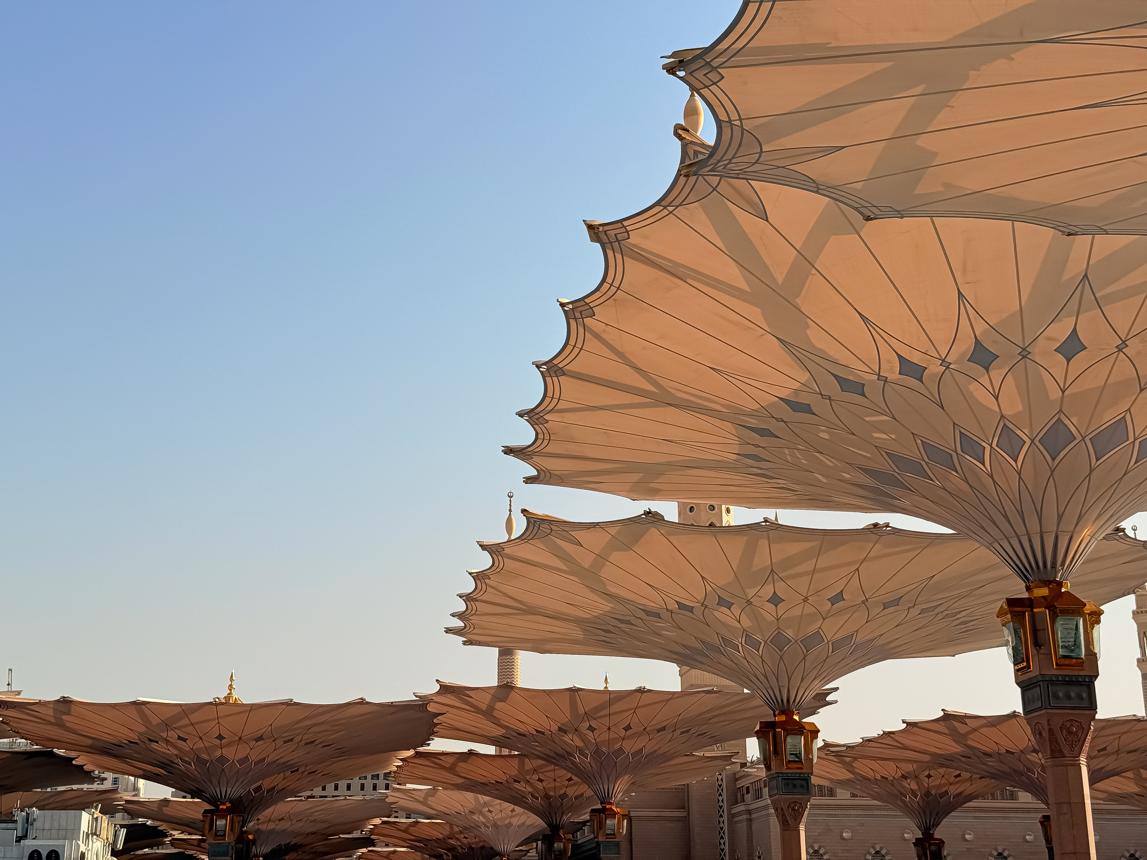
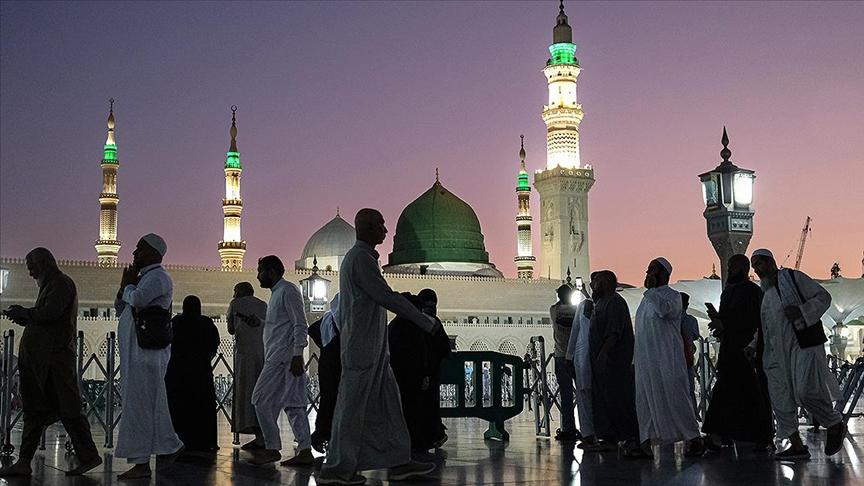
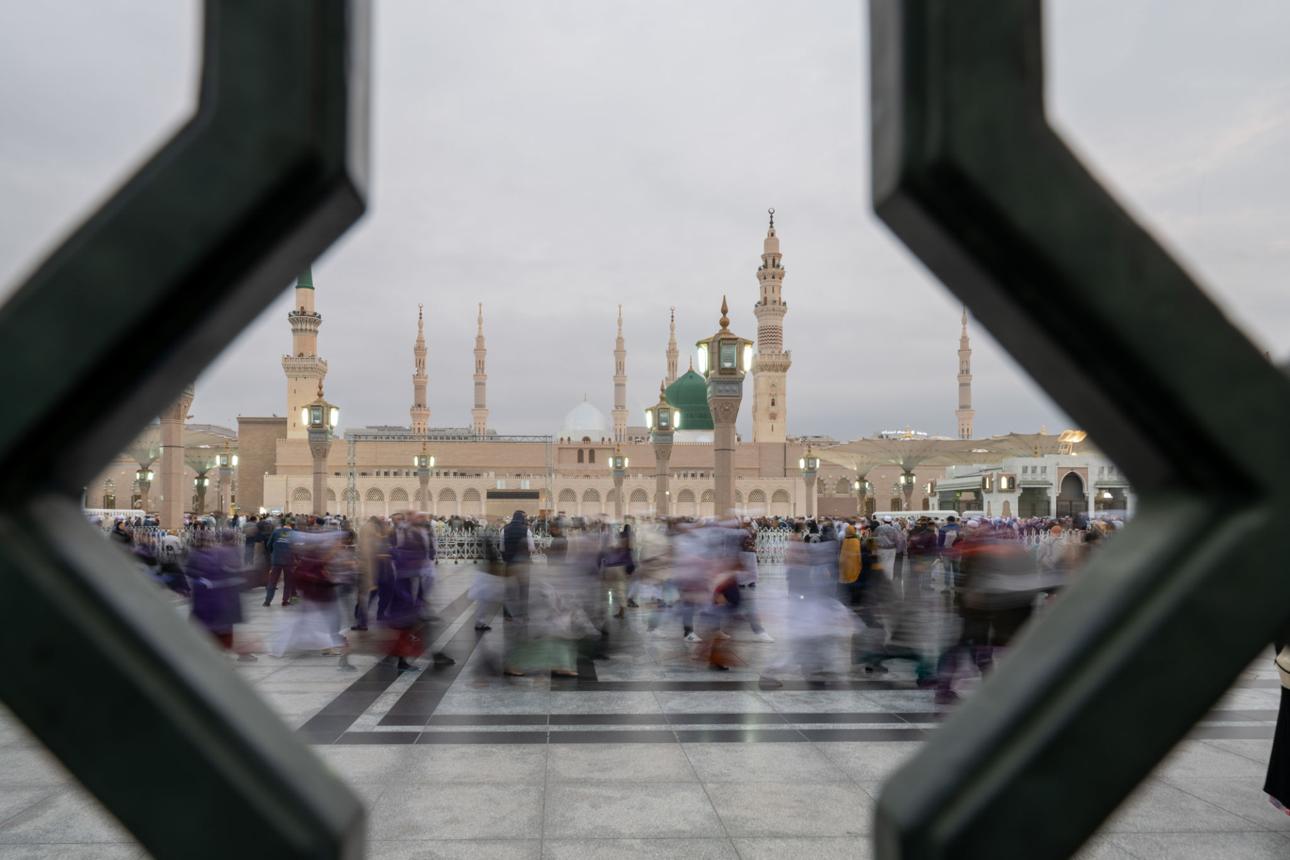
Within the luminous embrace of Al-Masjid an-Nabawi lies a reality that transcends architecture. This is the resting place of the Messenger. This is the space where revelation descended. This is where the Ahlulbayt lived, moved, and shaped the very spirit of Islam.
Near this sacred domain is the area associated with the home of Fatimah al-Zahra and Ali ibn Abi Talib. Pause here, not as a visitor but as one standing in a place once filled with their presence.
Imagine their footsteps upon this earth, their voices within these walls, and their worship in the quiet of the night. As taught by Imam Ali ibn Abi Talib: Honor him with your hearts before your tongues. This is not a place for haste. It is a place for presence.
Masjid Quba: The first foundation of light
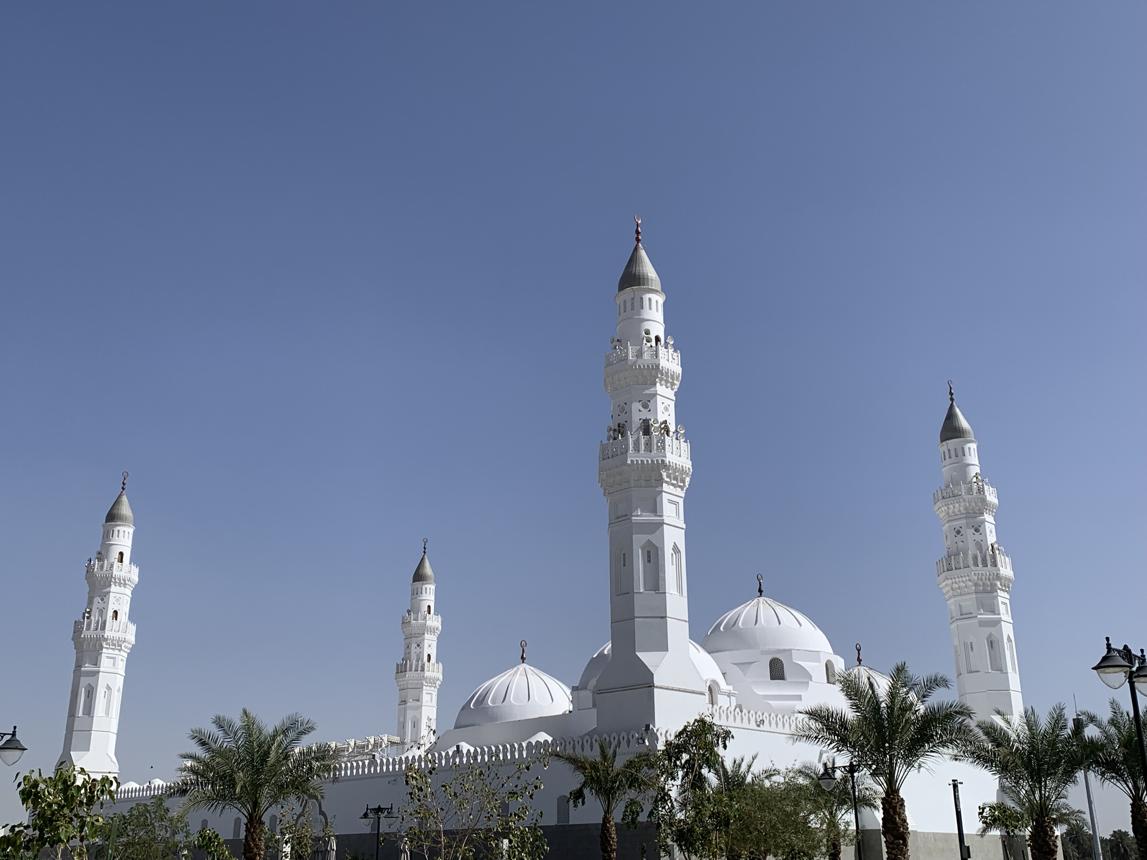
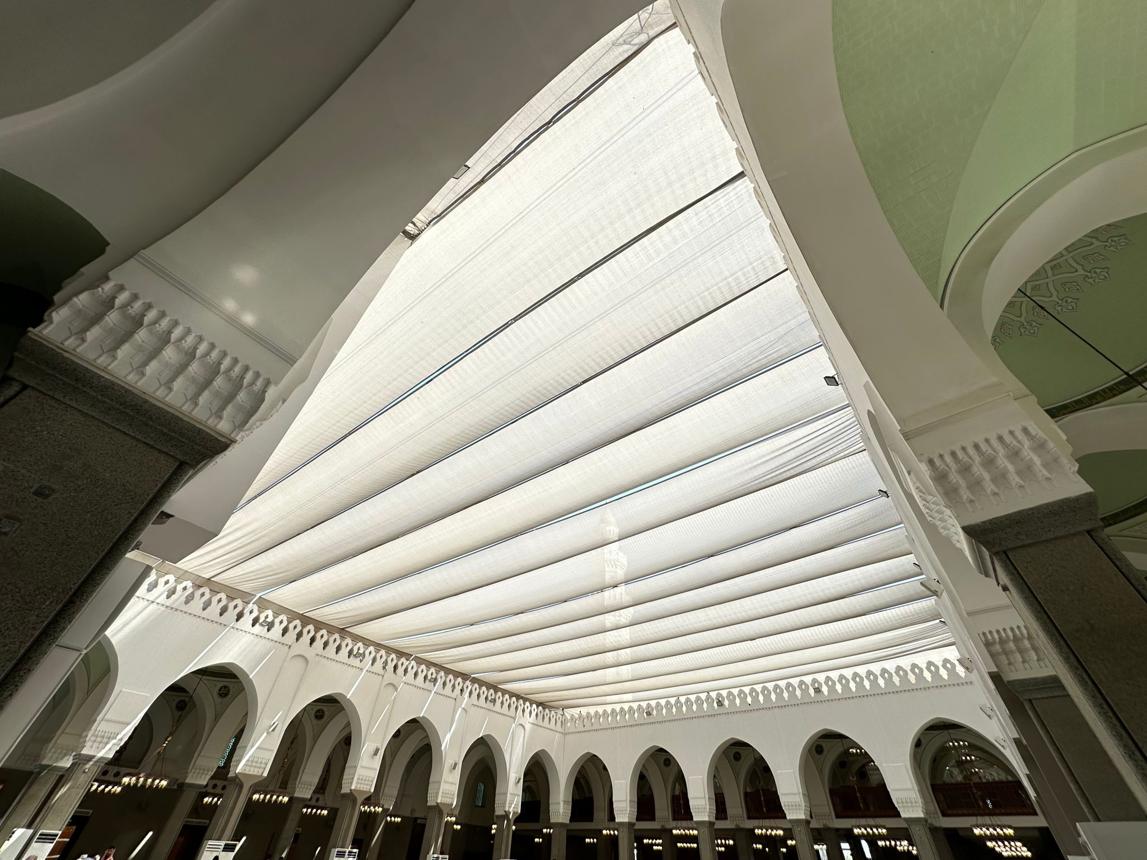
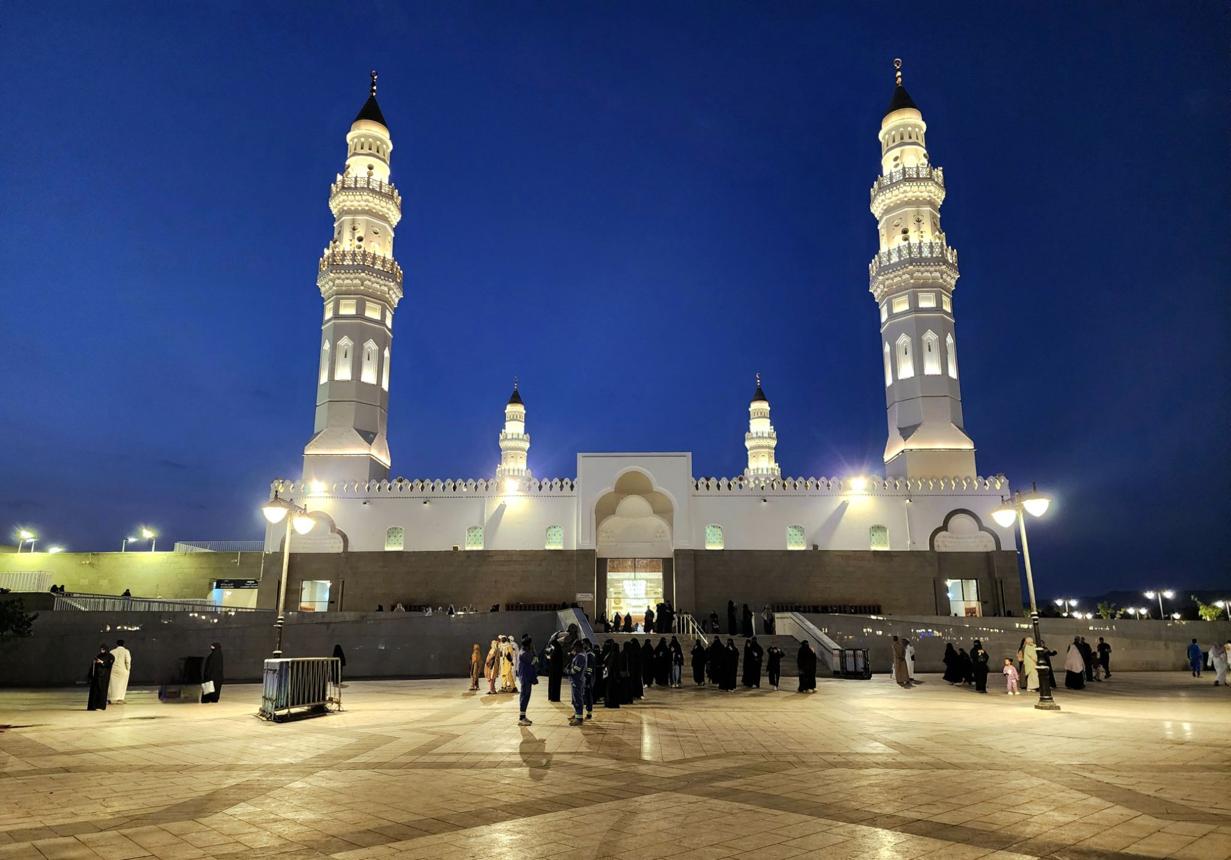
At the serene outskirts of Madinah stands Masjid Quba, the first mosque established in Islam. Following the migration from Makkah, the Prophet paused here, awaiting the arrival of Ali ibn Abi Talib. In that waiting, Masjid Quba was built.
This is a place shaped by patience before reunion, loyalty before ease, and purpose before permanence. To pray here is to reconnect with beginnings: pure, intentional, and unburdened.
Masjid al-Qiblatayn: Where direction became divine alignment
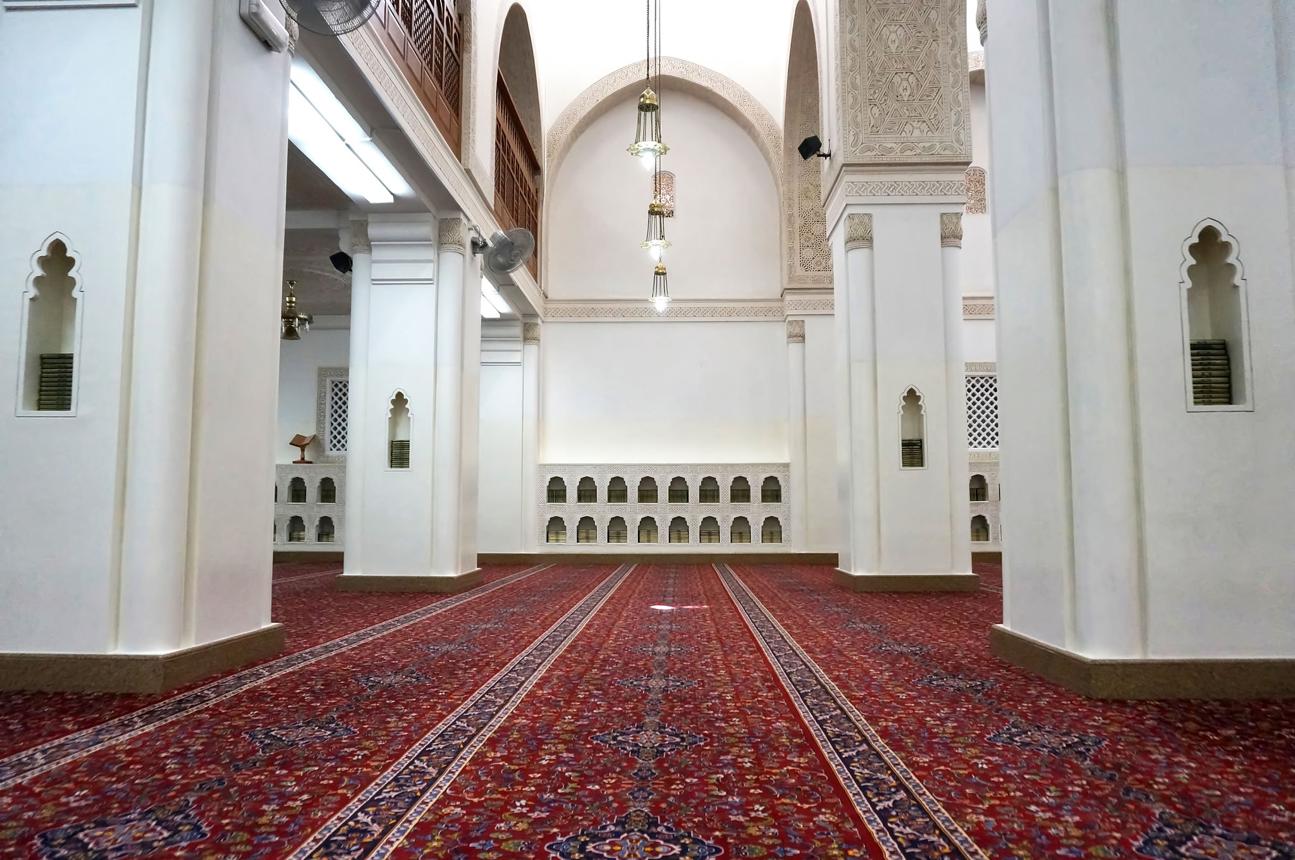
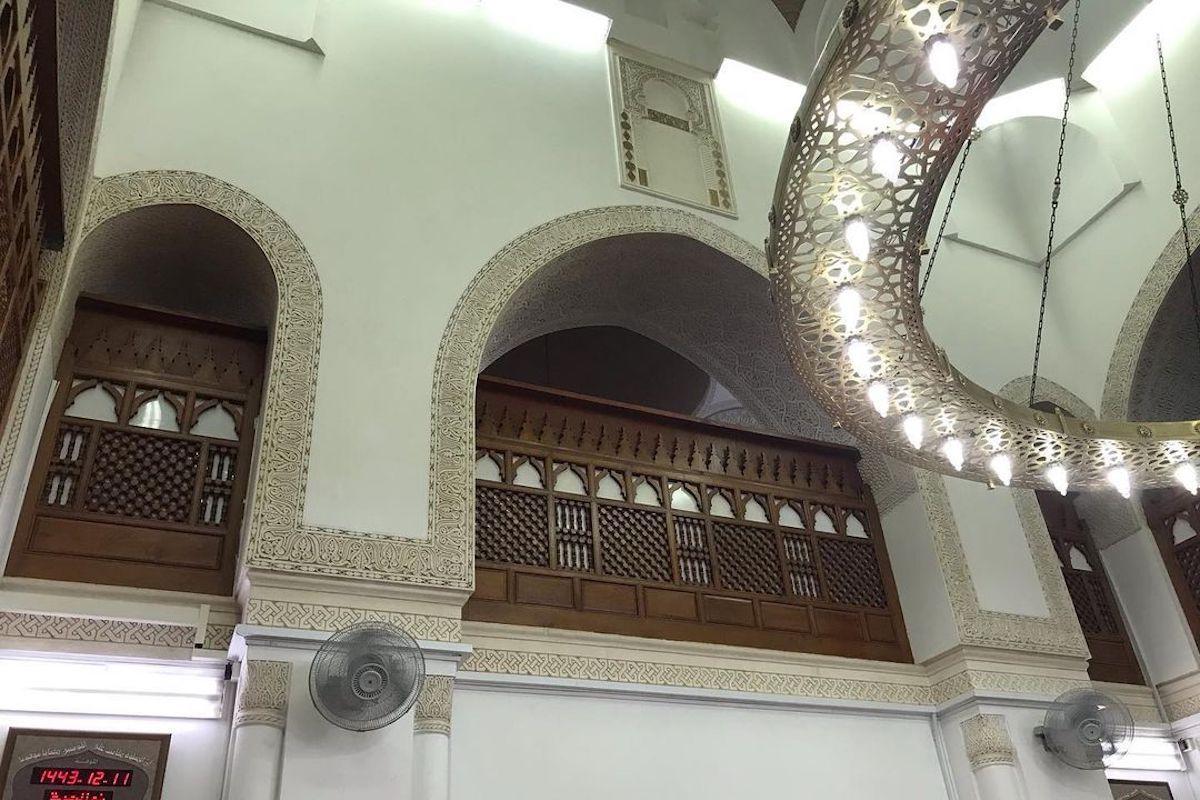
Within Masjid al-Qiblatayn occurred a moment that redefined direction itself. The Qiblah was divinely changed from Al-Aqsa Mosque to the Kaaba. Not merely a shift in orientation, but a test of submission.
Here, reflect deeply: Are we truly aligned, or merely facing? Faith, as embodied by the Ahlulbayt, is not hesitation. It is immediate obedience to truth.
The Seven Mosques: Echoes of steadfastness
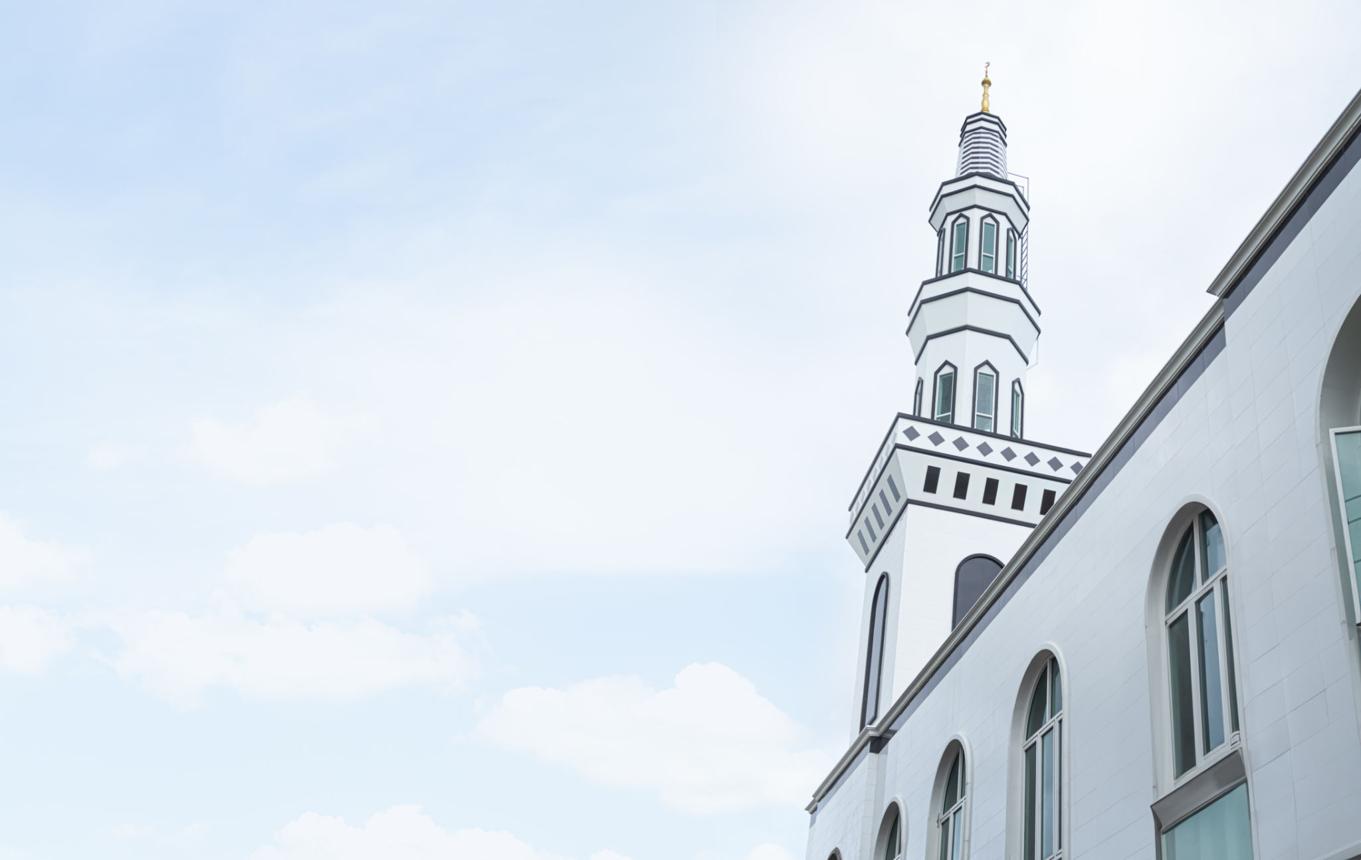
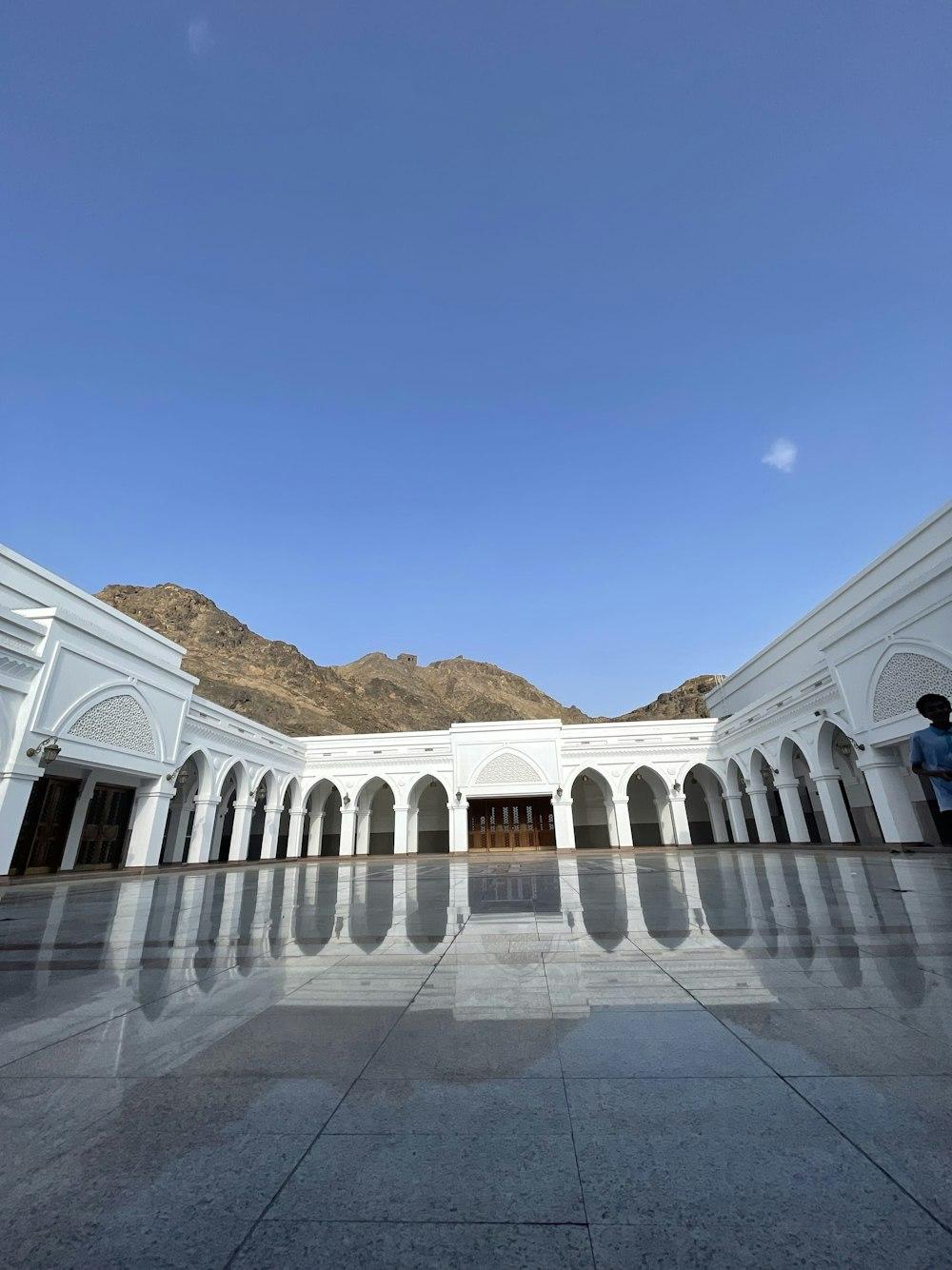
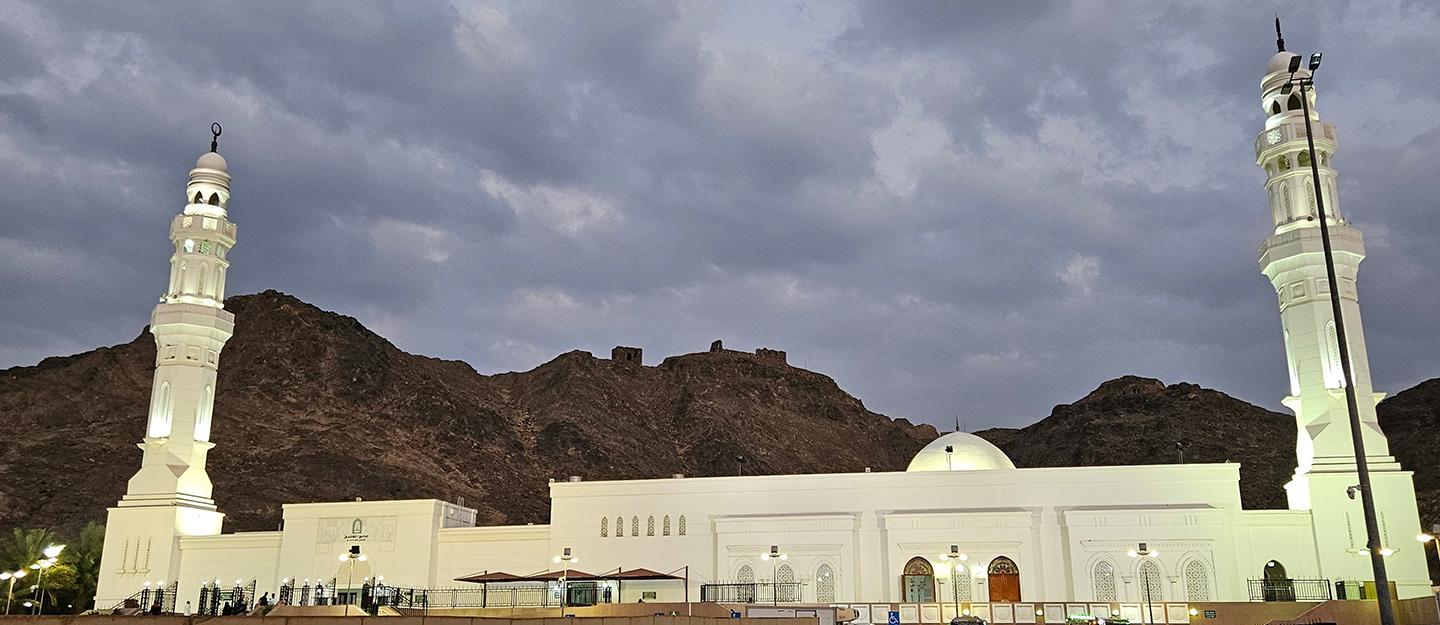
The Seven Mosques stand as quiet witnesses to the trials of the Battle of Khandaq. Among these sacred spaces is also a mosque associated with Fatimah al-Zahra.
Here, the earth carries the memory of fear met with faith, hardship met with reliance, and uncertainty met with tawakkul. Walk slowly here. These are not ruins, but reminders.
Jannat al-Baqi: A garden of silent greatness
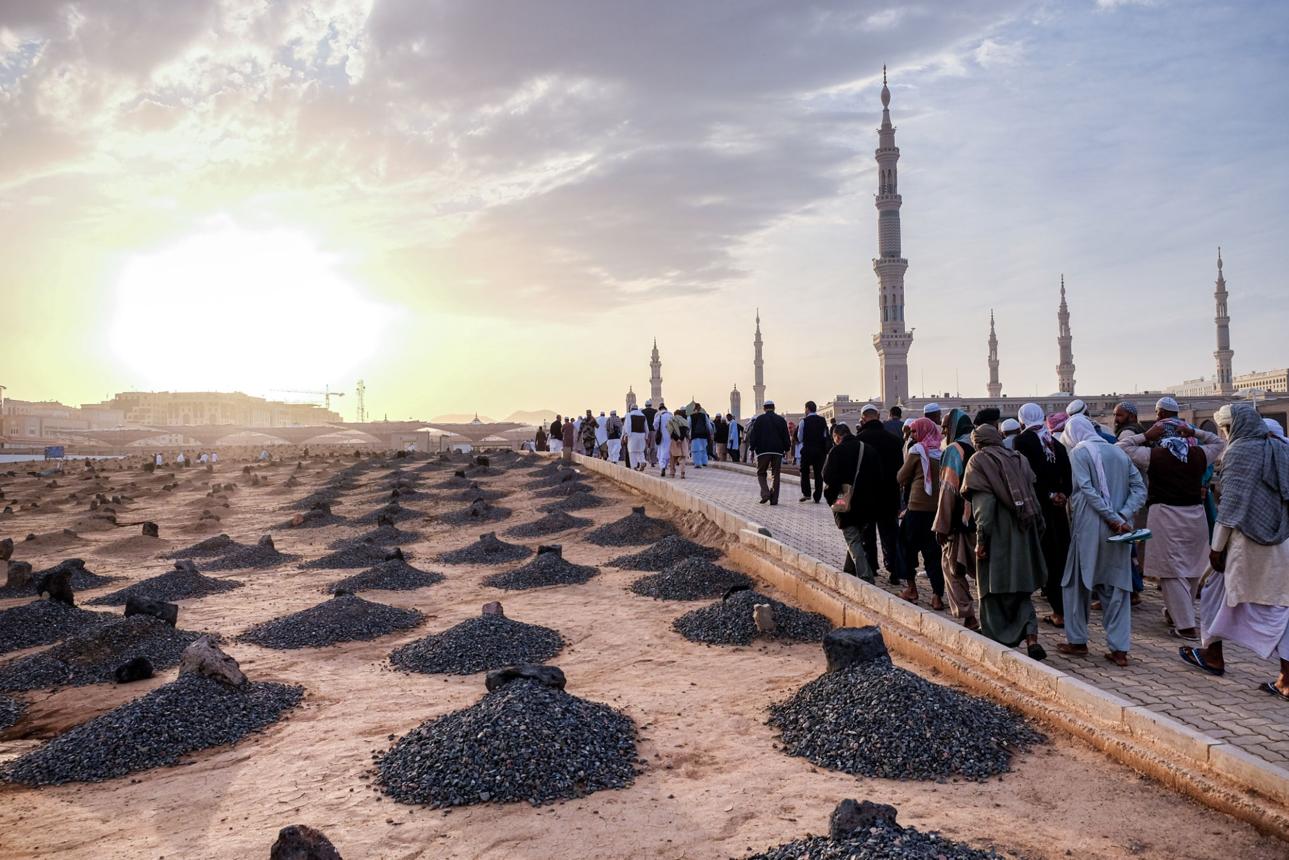
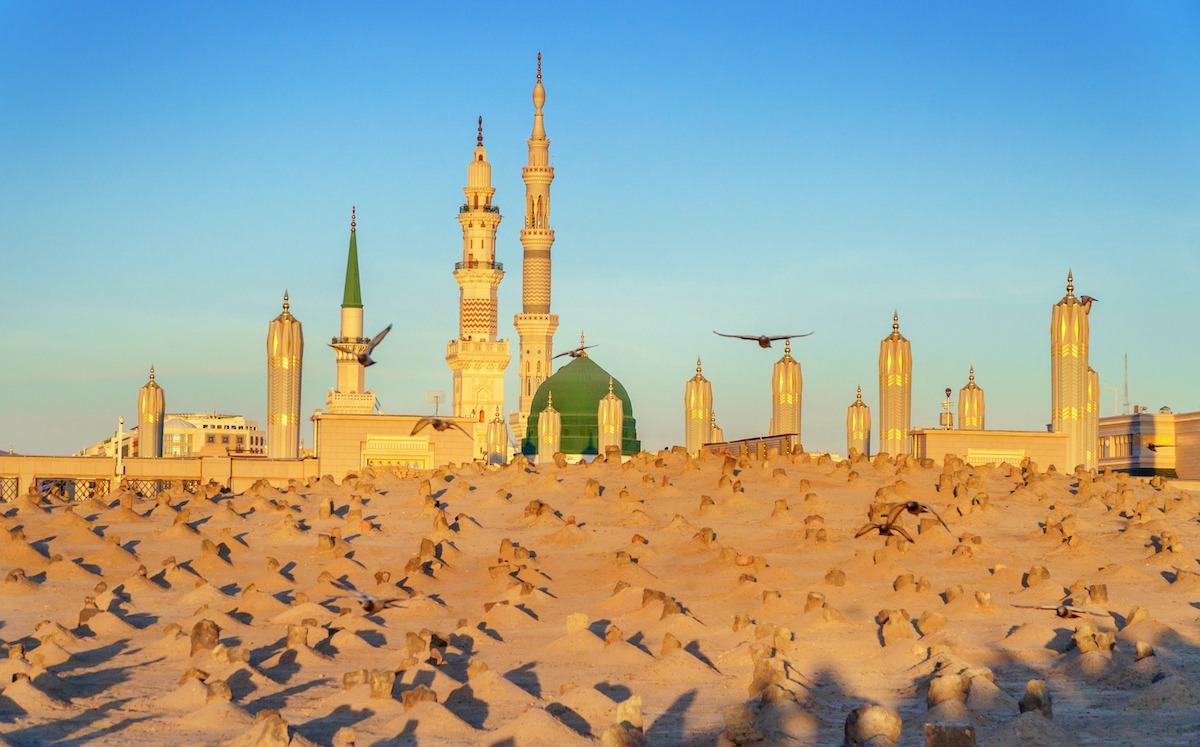
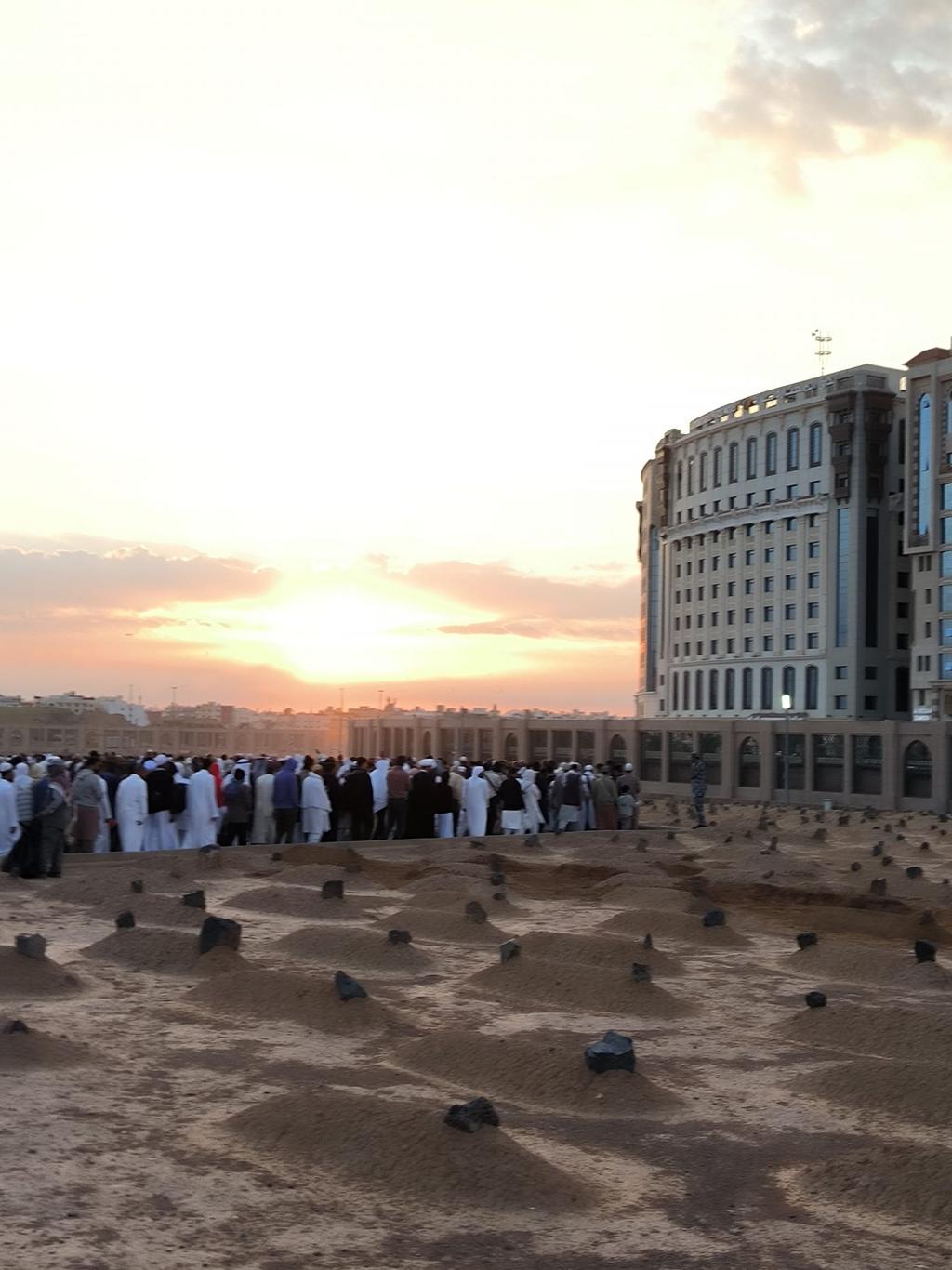
Adjacent to the Prophet's mosque lies Jannat al-Baqi, a place outwardly simple yet inwardly immense. Here rest four luminous figures from the Ahlulbayt: Hasan ibn Ali, Ali Zayn al-Abidin, Muhammad al-Baqir, and Jafar al-Sadiq.
There are no grand structures here, only truth stripped of worldly display. Stand in silence, send your salam, and let humility take over.
Conclusion
Madinah is not meant to be seen. It is meant to be absorbed. From the luminous serenity of Al-Masjid an-Nabawi to the quiet dignity of Jannat al-Baqi, every space invites you inward. Not to observe, but to transform. Walk gently, speak less, feel more. And perhaps, in that stillness, you will understand why Madinah is called al-Munawwarah: the Enlightened.