
Health
Health and Wellbeing During Pilgrimage: Staying Strong on Your Sacred Journey
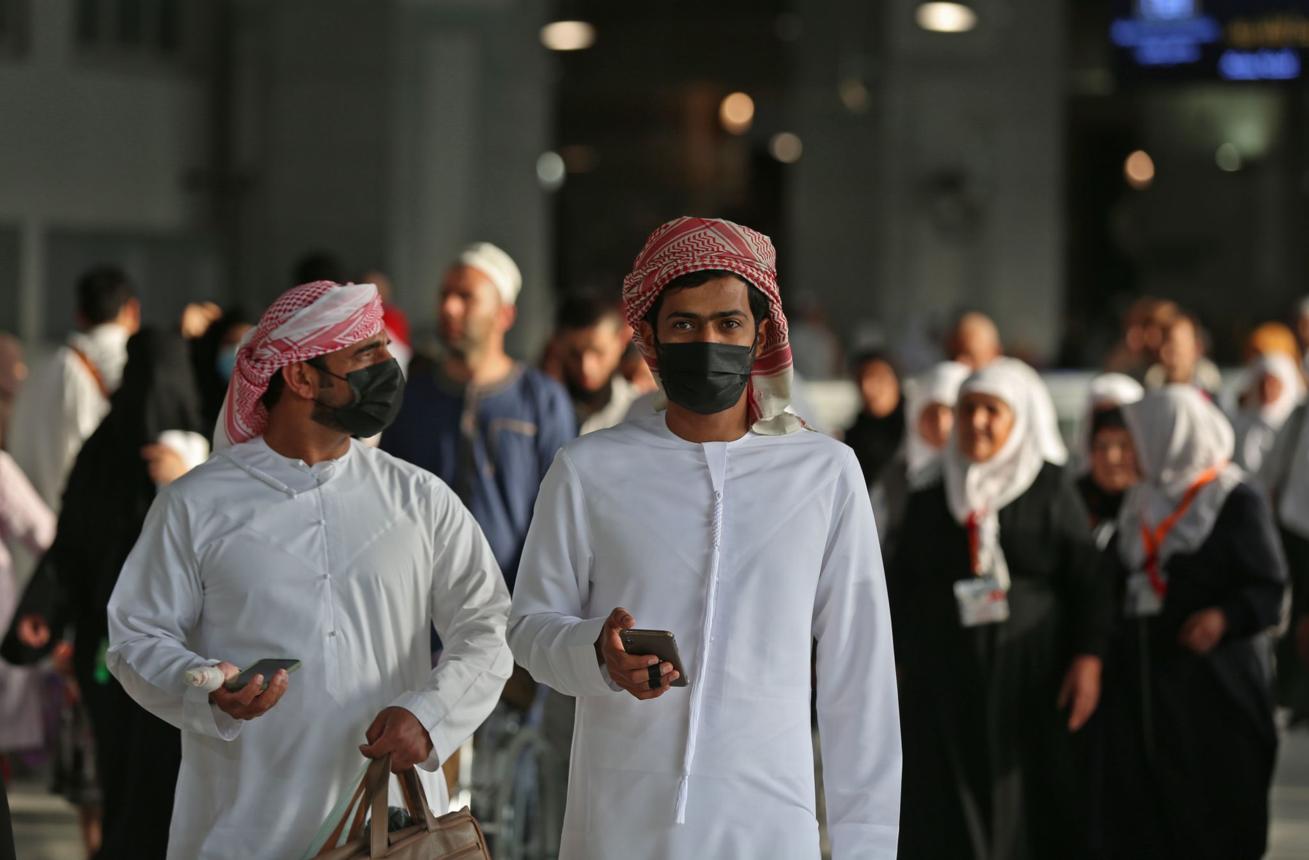
A sacred journey requires not only spiritual readiness but physical strength.
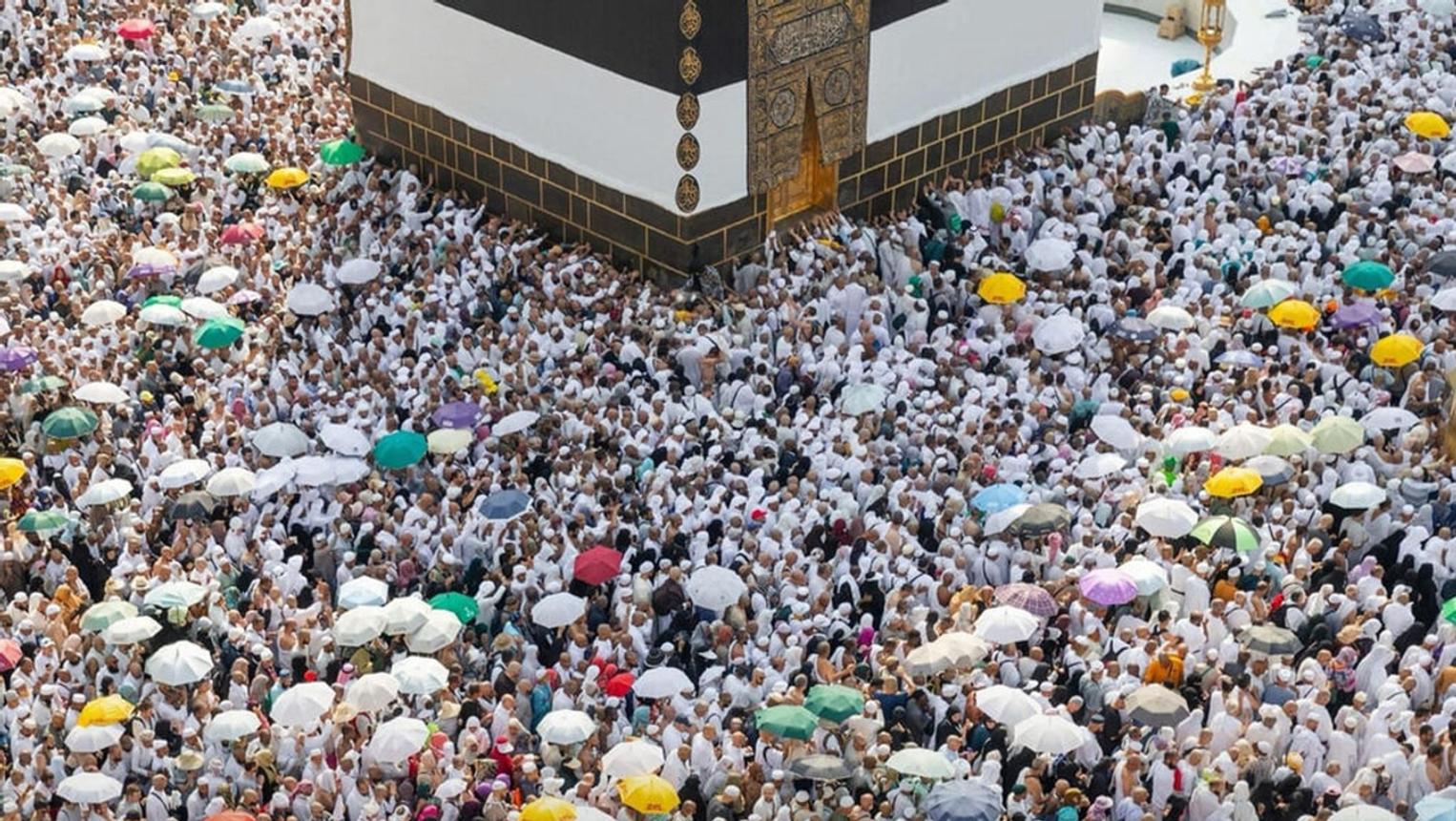
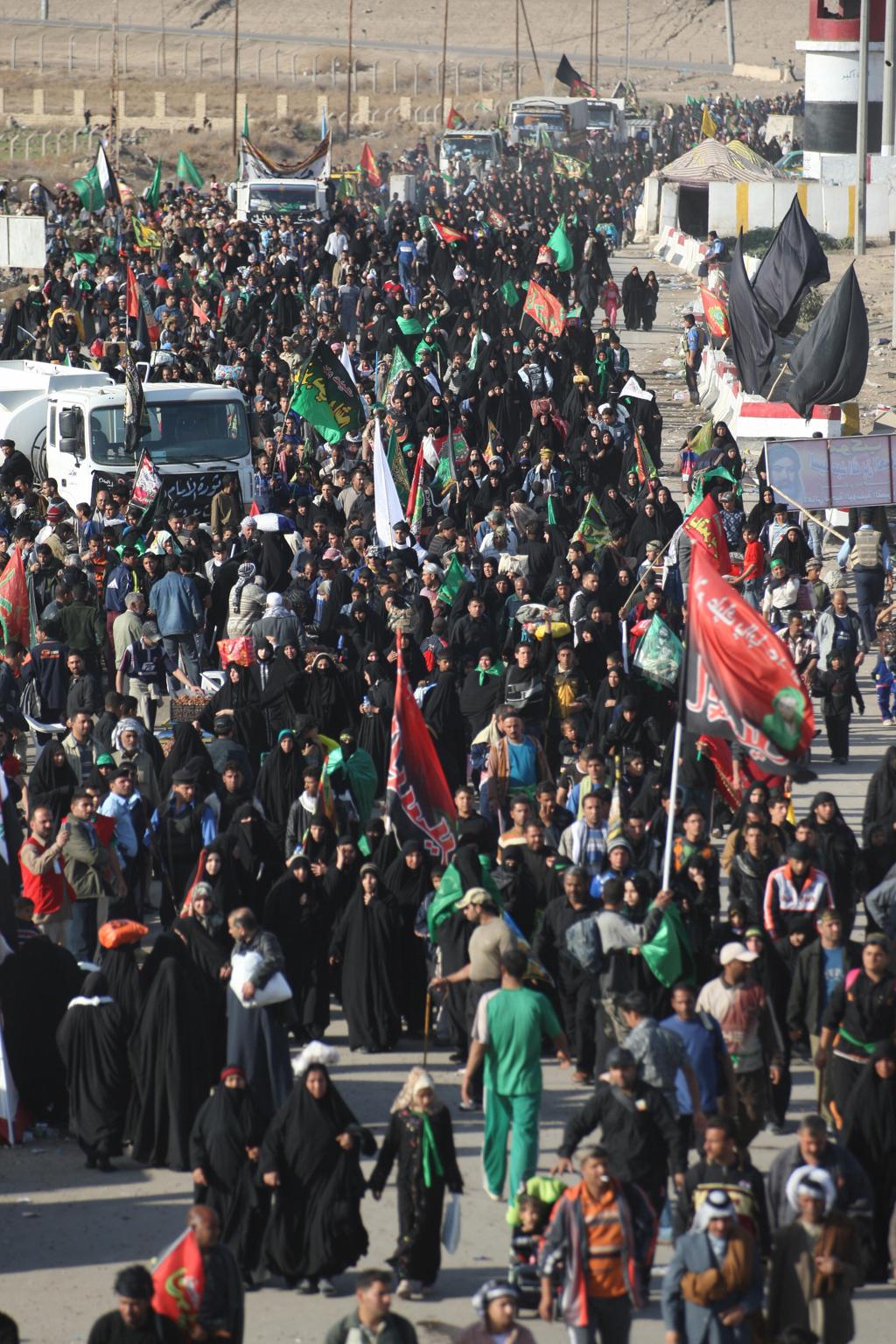
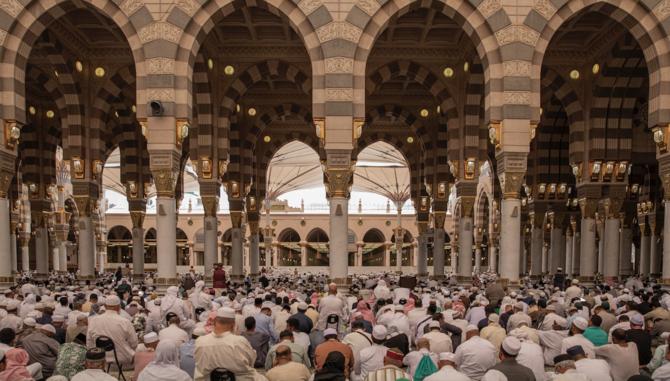
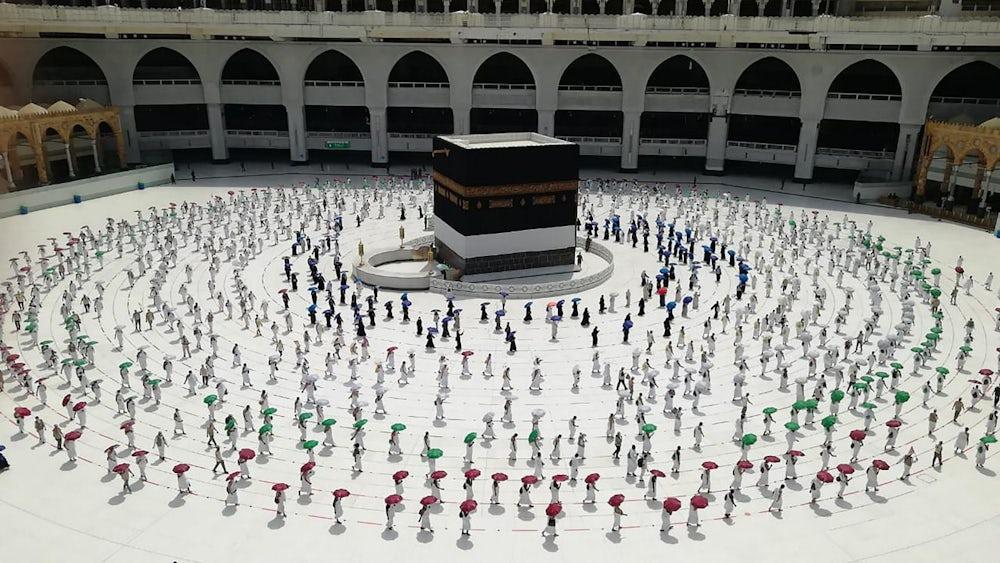
Whether in the crowded courtyards of Masjid al-Haram, the serene spaces of Al-Masjid an-Nabawi, or the vibrant gatherings of Karbala, your body becomes your companion in worship.
To care for it is not distraction.
It is responsibility.
Understand the environment
Pilgrimage environments are unique. Large crowds, long walking distances, heat and physical exertion, and close contact with thousands of people increase the risk of dehydration, fatigue, and infections such as cold and flu.
Awareness is your first protection.
Essential health preparations before travel
Before departure, consult your doctor, especially if you have pre-existing conditions. Ensure required vaccinations are up to date, pack sufficient personal medication, and prepare a small medical kit.
Prevention begins before the journey.
Hydration: Your constant priority
One of the most common issues during pilgrimage is dehydration. Drink water regularly, even if you are not thirsty. Avoid excessive caffeine and use electrolytes if needed.
This is especially important in hot climates like Makkah and Iraq.
Protect yourself in crowds
Close contact makes illness spread easily. Carry hand sanitizer, wash hands frequently, consider wearing a mask in dense crowds, and avoid touching your face unnecessarily.
Simple habits can prevent many illnesses.

Manage energy and rest
Many pilgrims try to do everything, and this often leads to exhaustion. Take breaks between activities, sleep sufficiently, and avoid overexertion.
As taught by Imam Ali ibn Abi Talib: Your body has a right over you. Balance is part of worship.
Foot care: Often overlooked, always important
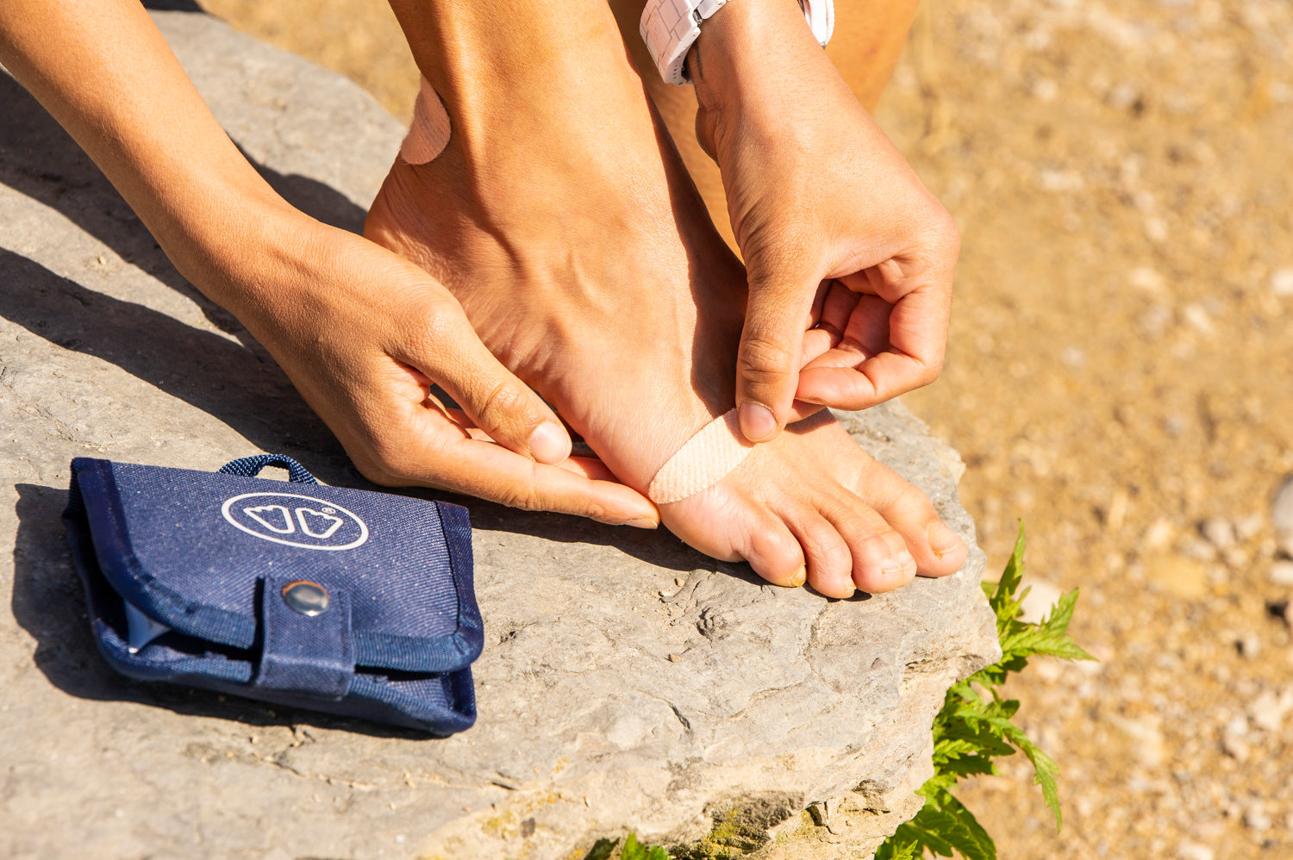
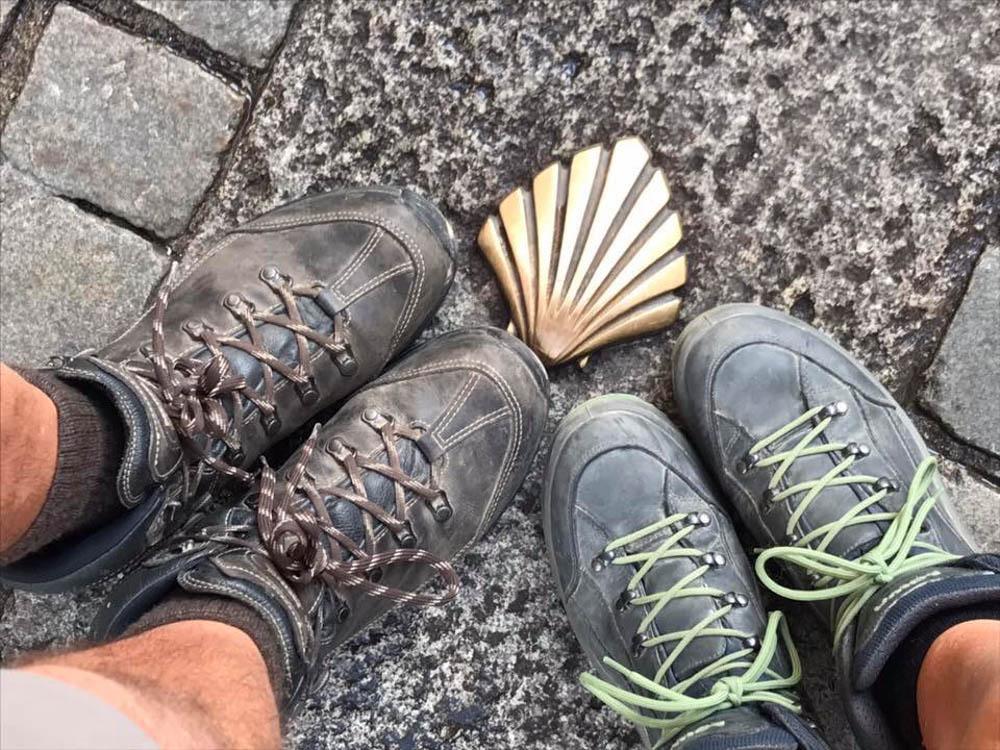
Long walking, especially during Arbaeen or Tawaf, can cause blisters, pain, and fatigue. Protect yourself by wearing comfortable, tested shoes, using blister protection, and changing socks regularly.
Your journey depends on your steps. Protect them.
Nutrition: Light, clean, consistent
Eat light and regular meals. Avoid overly heavy or unfamiliar foods. Carry simple snacks such as dates, fruit, and energy bars.
Nourish your body without burdening it.
Recognize early signs of illness
Do not ignore symptoms such as fever, dizziness, extreme fatigue, or persistent cough. Seek help early, and do not wait until it worsens.
Spiritual balance through physical care
Caring for your health is part of your intention. You are preparing your body to stand longer in prayer, walk further in devotion, and focus deeper in ziyarat.
Health is not separate from spirituality. It supports it.
Conclusion
A successful pilgrimage is not only measured by where you go but by how you endure. Care for your body so your heart can remain present, so your worship can remain focused, and so your journey can remain meaningful. Travel wisely, rest when needed, and allow strength to carry you through every step of your sacred journey.